
Welsh Apricot Breasts
|
|
SpotX Wild Foods Recipe from Brian Jones Ingrediants:
Directions:
|


Duck Recipes
Duck
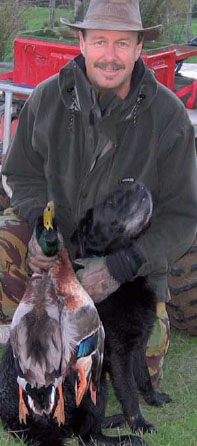 Hunting duck is one of those Kiwi activities steeped in tradition, especially in rural communities.
The first weekend in May is eagerly awaited and has greater status than some religious holidays. In anticipation of opening day considerable preparation will have gone into the maimai, the traditional duck hunter’s lair, and preparing ponds, which are sometimes pre-fed.
Prior to the big event, gun clubs hold shooters’ ‘eye-openers’. A number of clubs and pubs host hunters’ evenings to determine the most realistic duck caller, camouflage and the like. Shotguns are given that extra bit of attention and the faithful gundog gets caught up in all the hype too. The scene is being set for what is a special annual occasion for some 80,000 people around the country.
Like all sports, bird shooting has become more sophisticated as time goes by. The traditional side-by-side shotgun has largely given way to ‘under and overs’. Now semi-automatic guns with magazines capable of up to five rounds are the order of the day. Lead shot over our waterways has been banned to appease the green element – a vocal minority. Decoys are moulded from plastic and can be made to move on the water or to simulate flight, with wings that flap.
Even the species have changed. Areas that were once the domain of the grey duck have been taken over by the mallard, which in turn has been superseded in many regions by the larger, domineering paradise shelduck. But at the end of the day you still have to put shot in the air in the right place to intercept dinner – and that has not changed.
The rewards are worth it. Wild duck is excellent fare and can be prepared in a variety of ways. Traditionally the birds have been hung for a day or two then plucked and drawn, before being roasted or casseroled. More commonly today they are breasted out and presented in a variety of ways, including manufactured into salamis and sausages; recipes for some of which are outlined below.